EXHIBITION | Asilah Oui: Robert Blackburn in Morocco
September 15 - December 12, 2026
Opening Reception:
Saturday, September 19, 3-6PM
Events
Opening Reception:
Saturday, September 19, 3-6PM
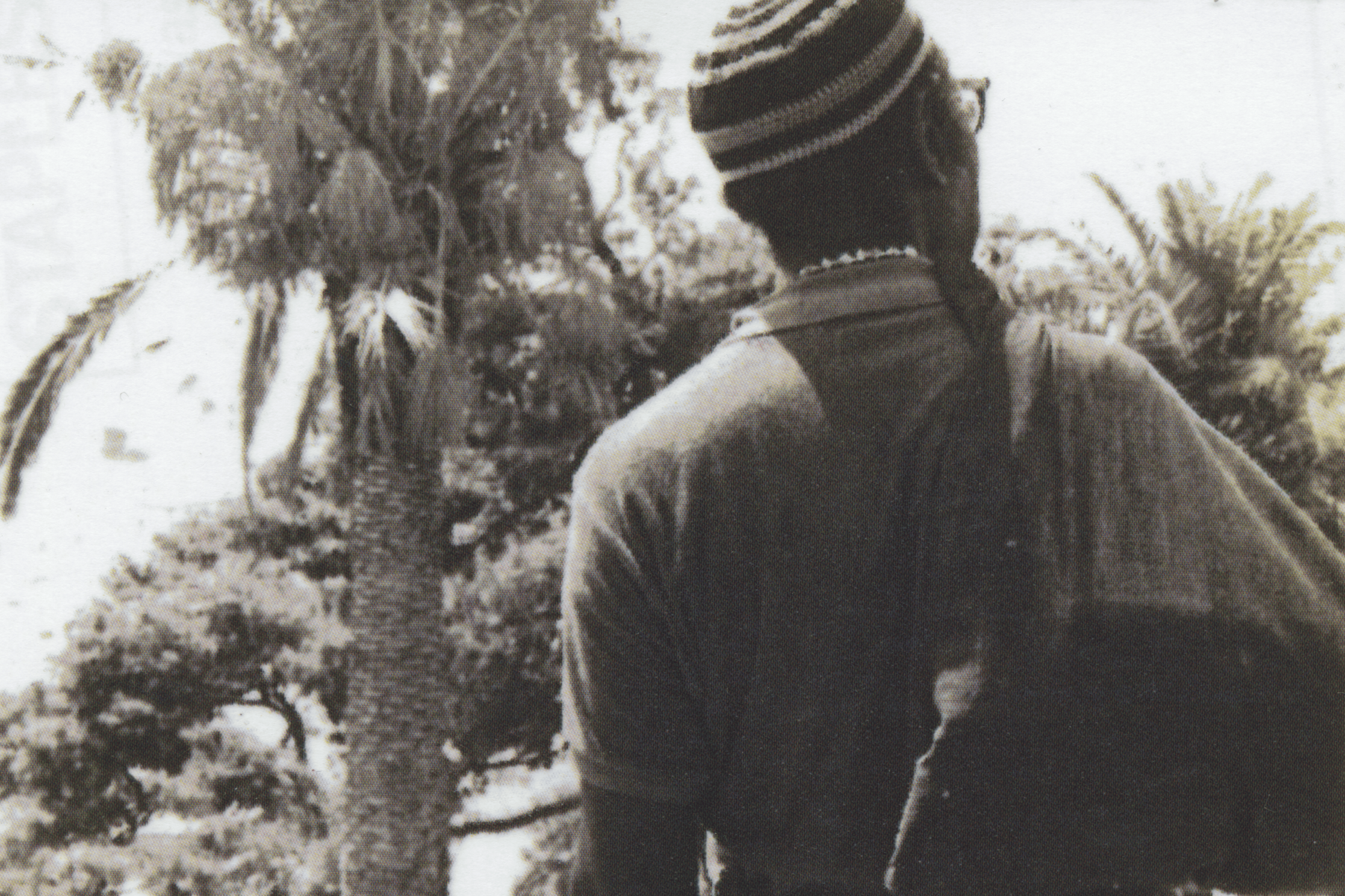
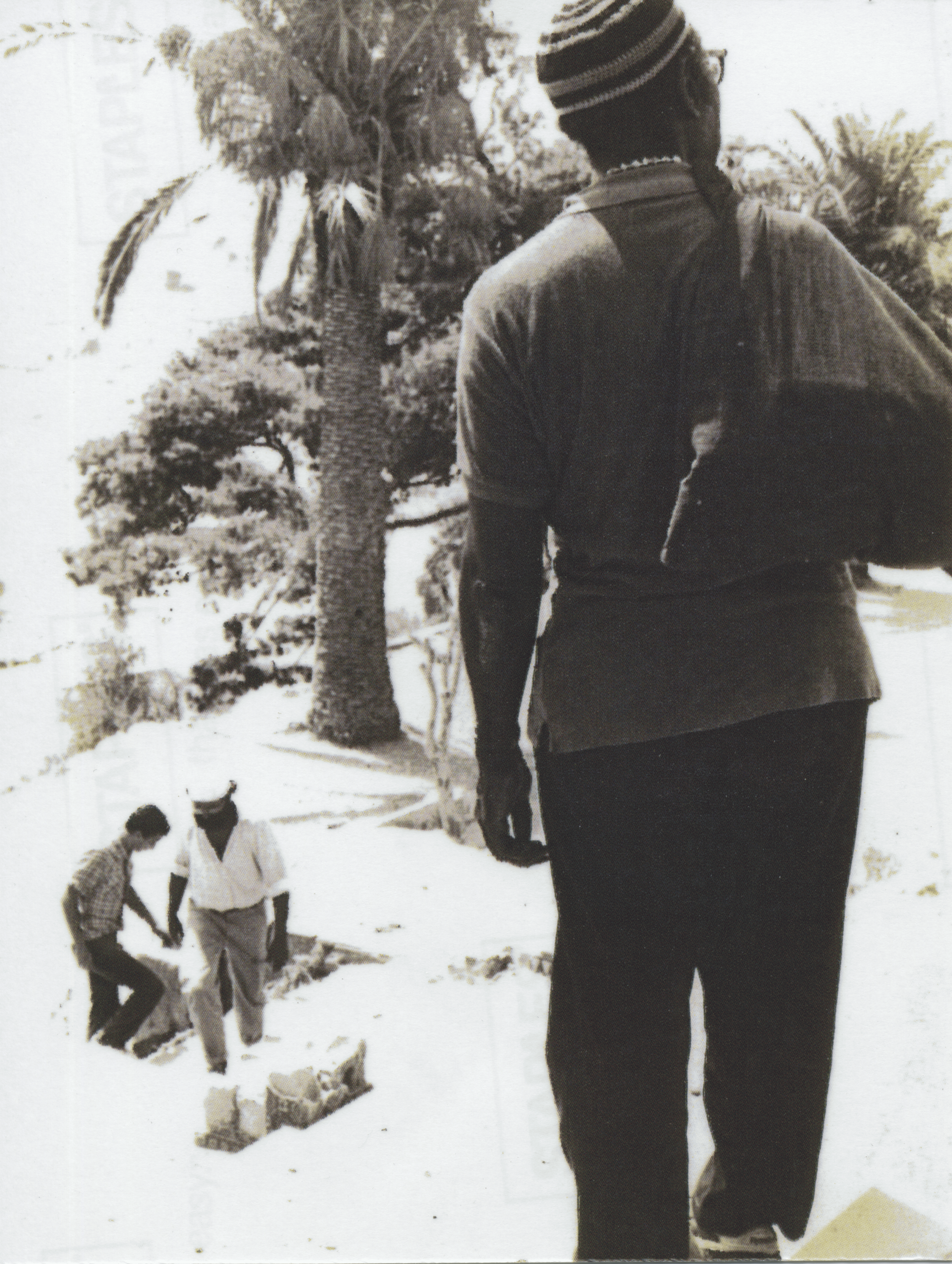
Still from A THOUSAND AND ONE BERBER NIGHTS
This screening – presented on the occasion of the Robert Blackburn Printmaking Workshop’s exhibition “Asilah Oui: Robert Blackburn in Morocco” – pairs two films that explore the links between Morocco and New York: Shalom Gorewitz’s MELEHI (1984) and Hisham Aïdi’s A THOUSAND AND ONE BERBER NIGHTS (2023), which together examine two pioneers of Moroccan art in the twentieth century.
Commissioned as part of his 1984 solo exhibition at the Bronx Museum, MELEHI documents the work and life of renowned Moroccan painter and Asilah Cultural Moussem founder Mohamed Melehi through his projects as a teacher, painter, and modernist. Forty years after its production, MELEHI provides a career snapshot of the artist contextualized by his influences across the Moroccan landscape, placing him in the larger history of Morocco and its visual culture.
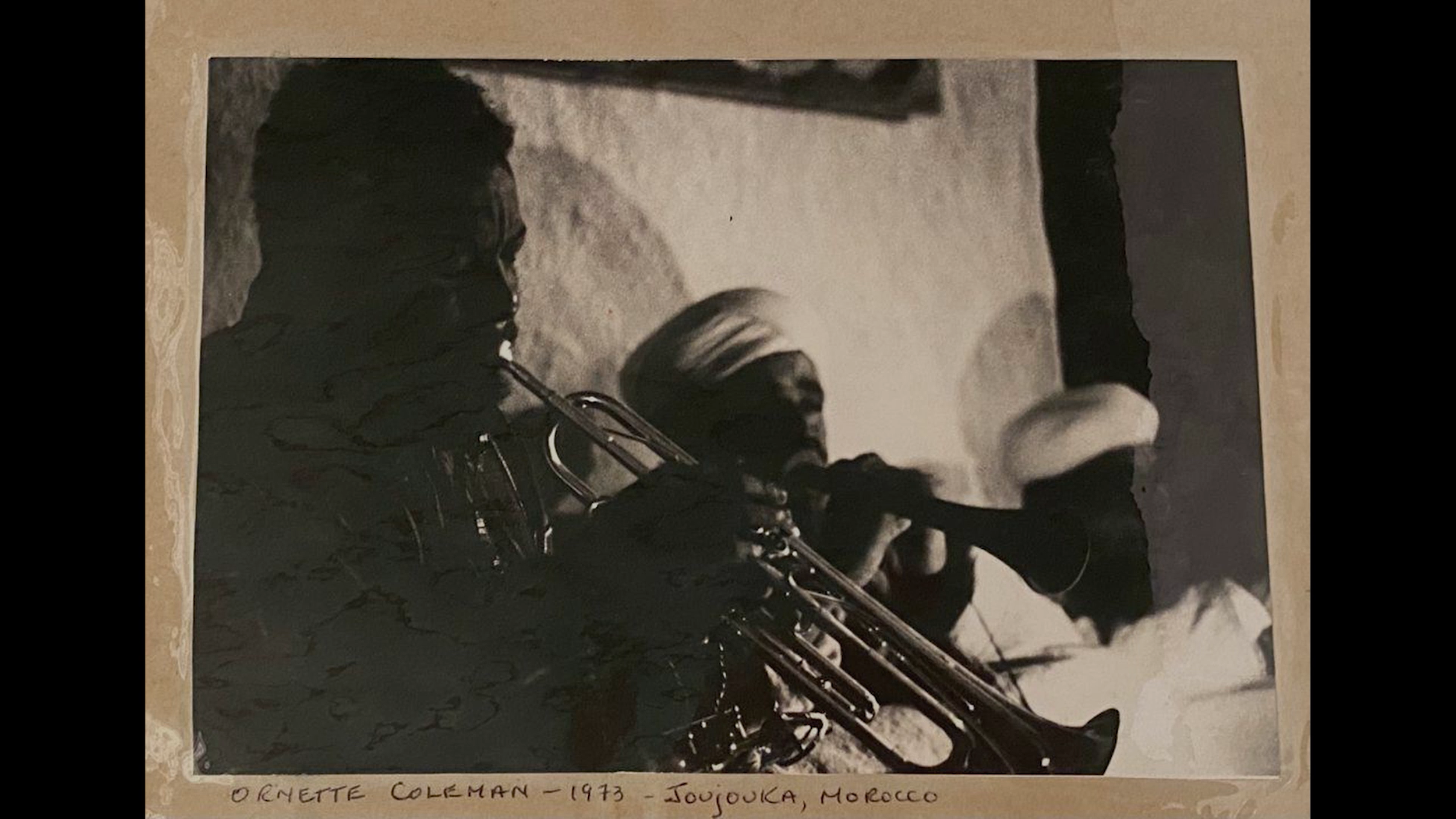
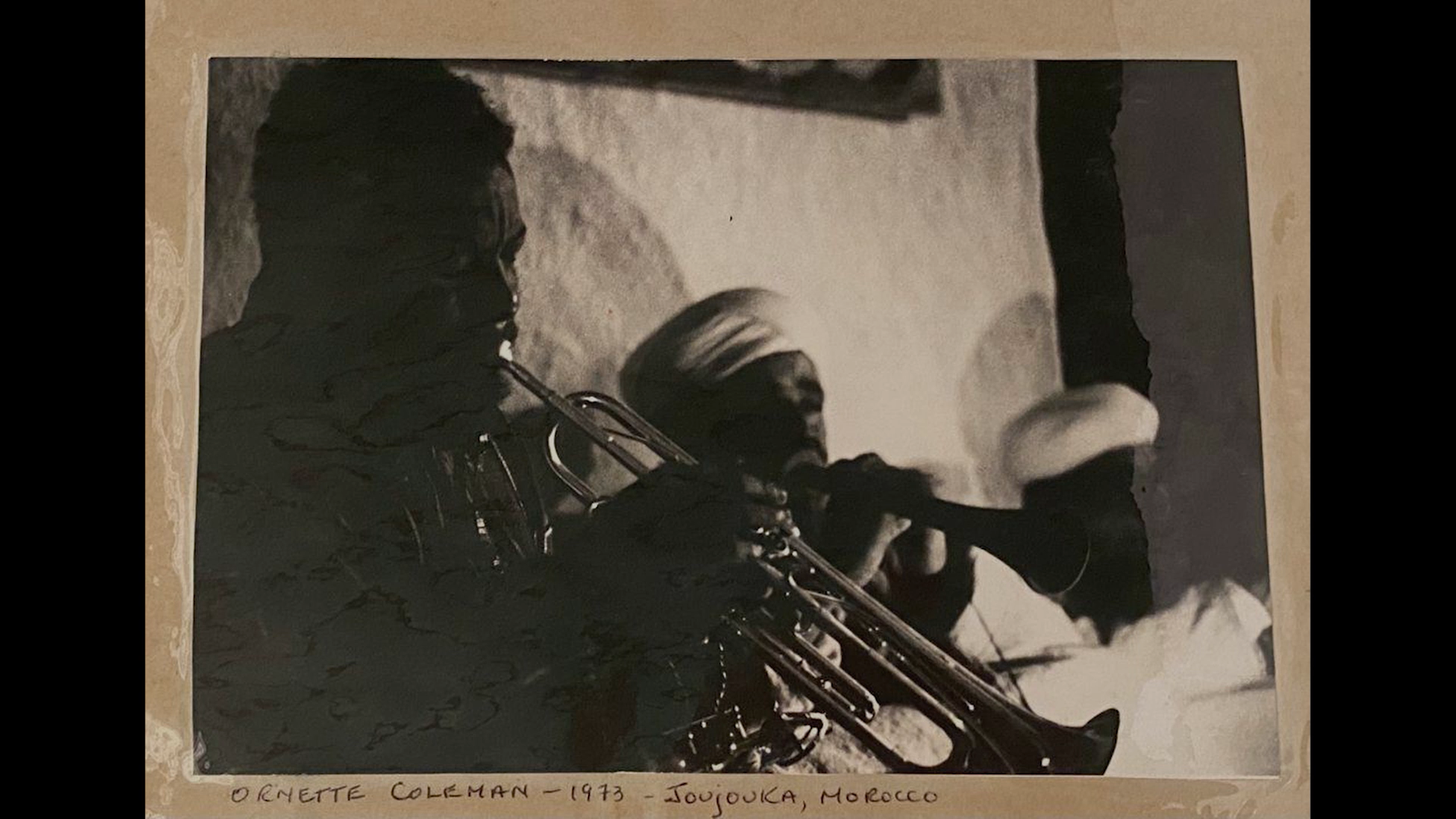
A THOUSAND AND ONE BERBER NIGHTS delves into the transatlantic career of dancer, actor, and choreographer Hassan Ouakrim. In the late 1950s, Ouakrim was a young dancer and actor in Morocco. Little did he know that he would soon become the protegé of La Mama Theatre founder Ellen Stewart, performing across America, forming friendships with the likes of jazz virtuosos Ornette Coleman and Randy Weston, and becoming a pioneer in spreading Berber dance and music in North America.
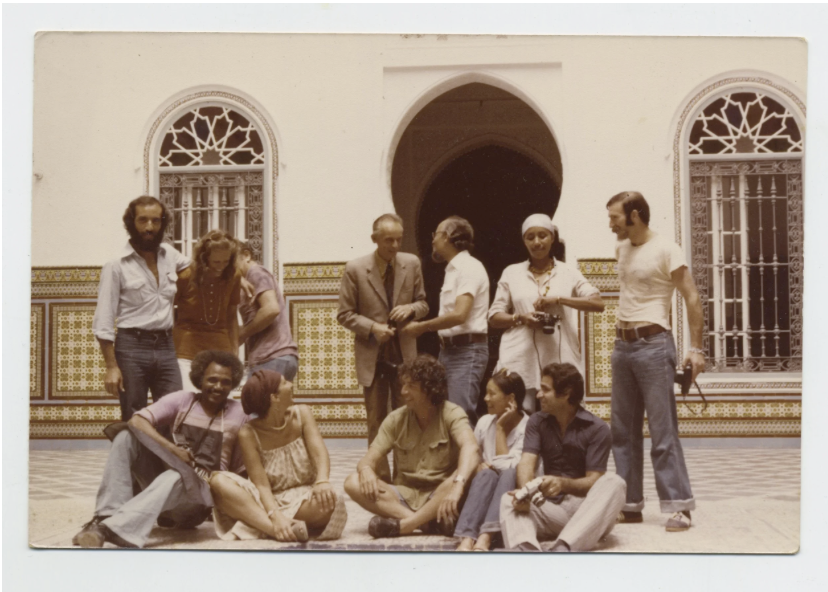
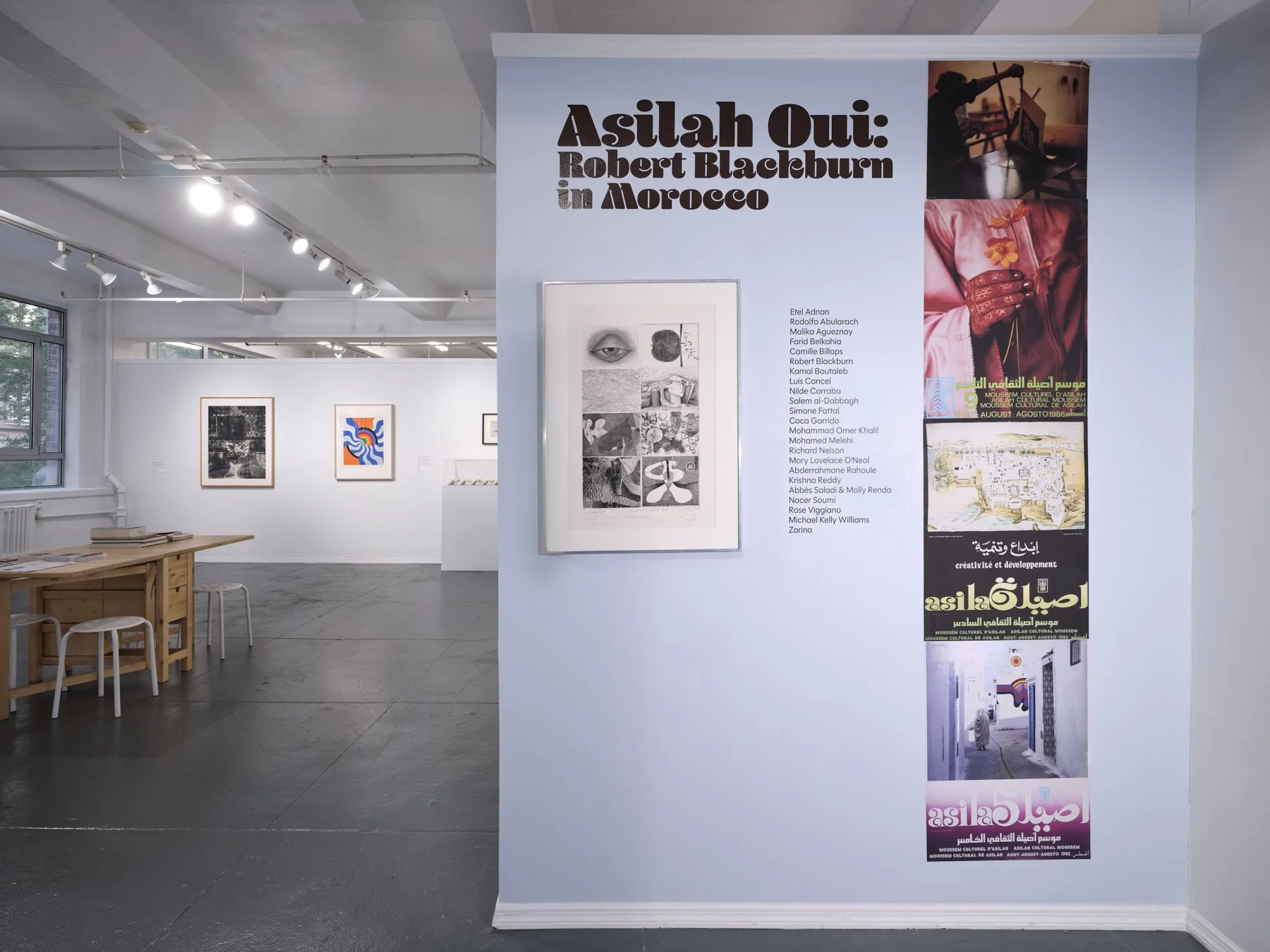
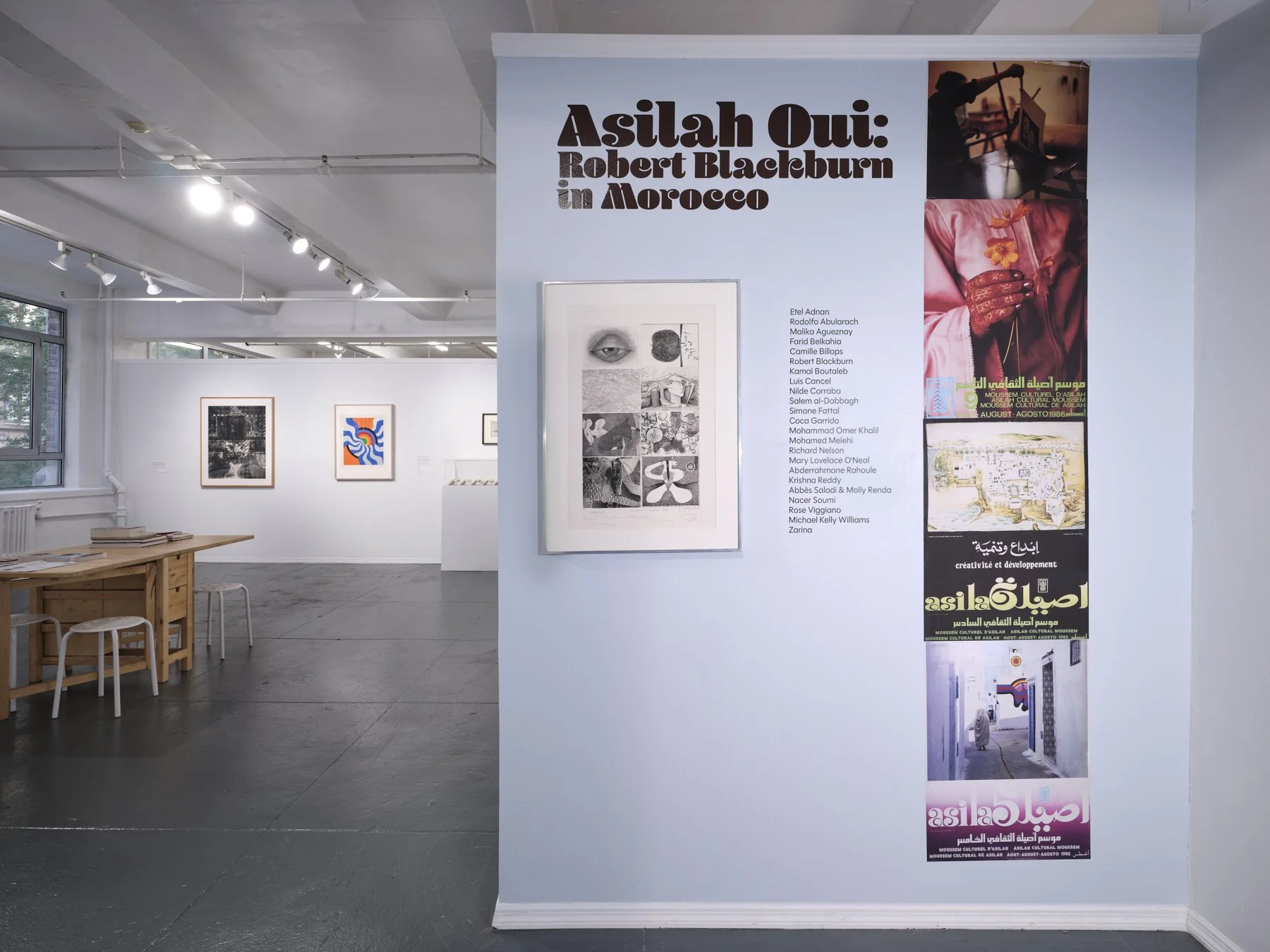
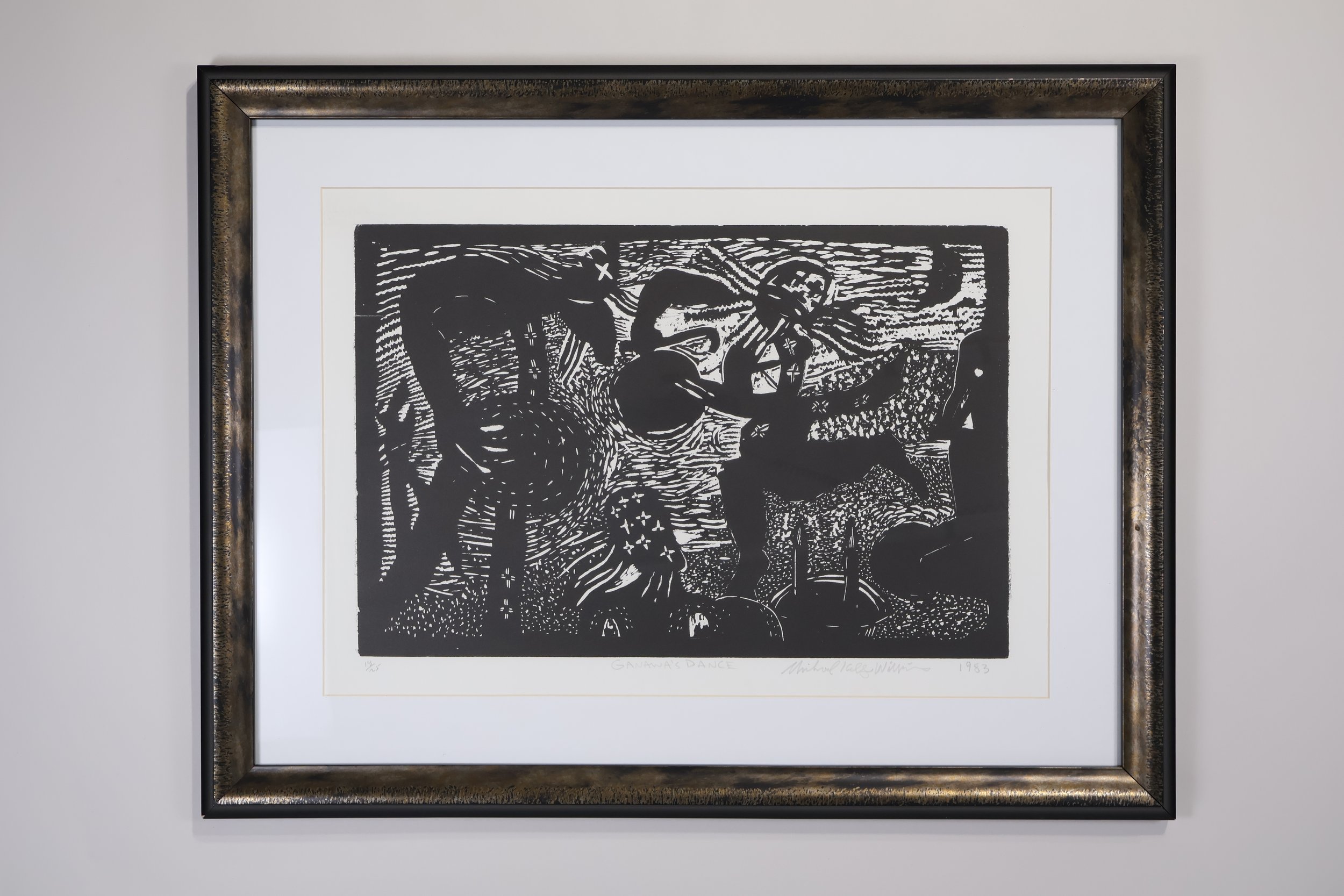
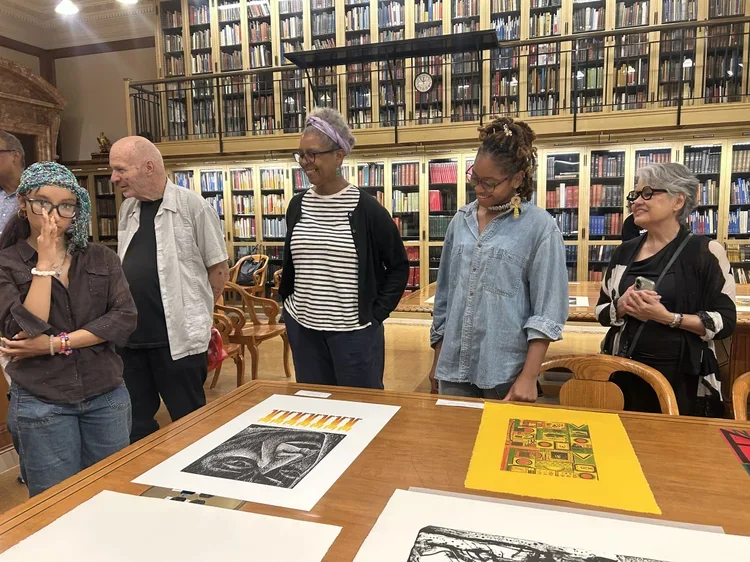
“Asilah Oui: Robert Blackburn in Morocco” at the Blackburn Study Center, September 15-December 12, 2026, focuses on the first decade of the Asilah Cultural Moussem. Established in 1978, this international festival brought together printmakers, musicians, intellectuals, and poets from around the globe to create, as founders Mohamed Benaissa and Mohamad Melehi described it, “a permanent center for cultural diffusion, rich in authenticity and steeped in heritage.” The exhibition illuminates how Robert Blackburn’s Printmaking Workshop served as a conduit in connecting the Moussem’s international artists.
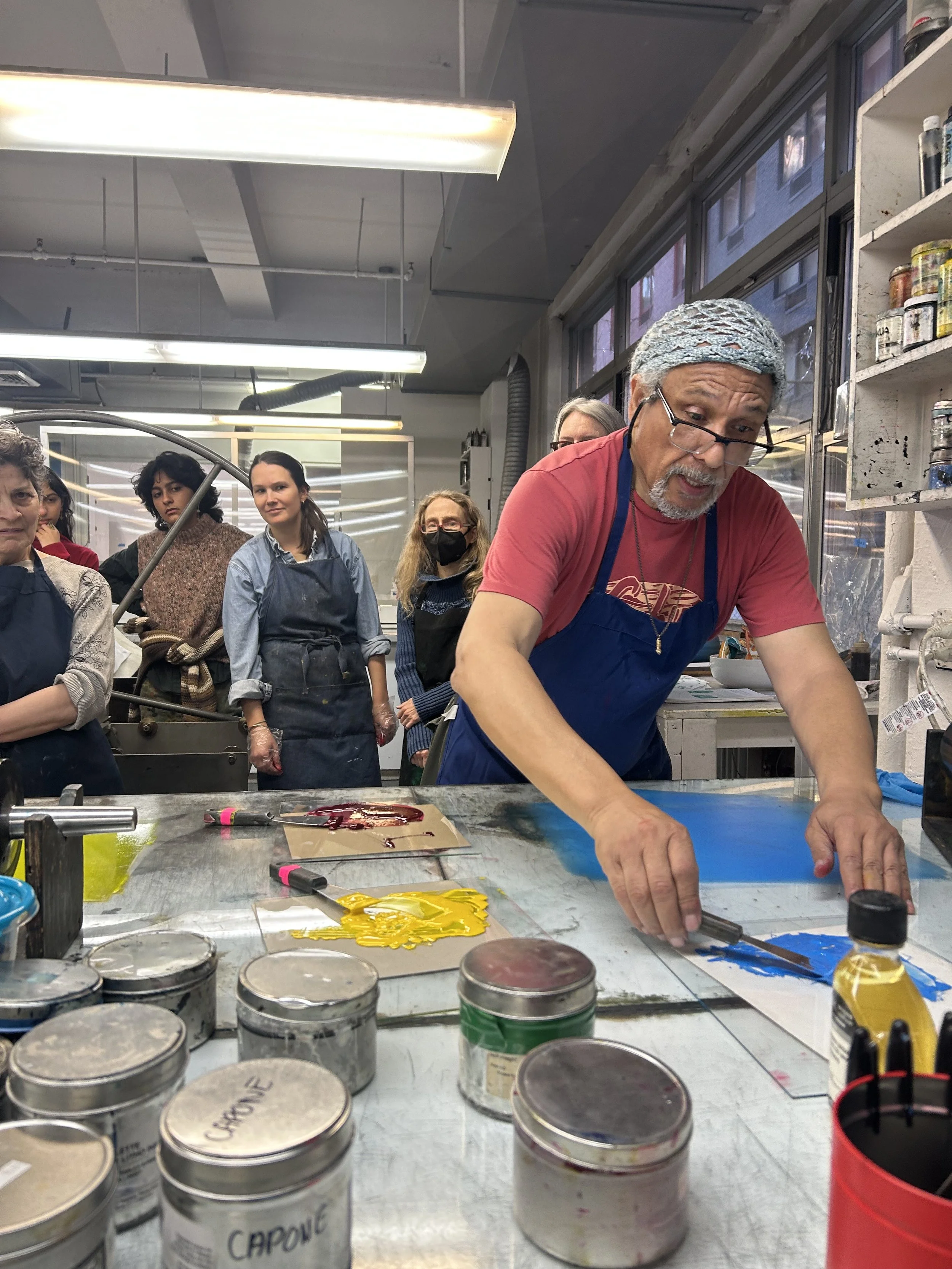
This screening is organized by the Robert Blackburn Printmaking Workshop, and co-presented with the Bronx Museum. For more info about the exhibition, visit: https://www.rbpmw-efanyc.org/asilah-oui

Shubho’s major achievements also included: ‘Young Printmaker Award’, Bangladesh Cultural Ministry & Kalakendra in 2015, Fellowship at Salina Art Center, KS, USA in 2015, Award on experimental photography from Japan-Bangladesh Society, Tokyo, Japan 2018, Production Fellowship at Shangyuan Art Museum, Beijing, China in 2014, Sand Sculpture Grand prize from Bangladesh Kite Federation in 2009, Dean's Award from University of Dhaka in 2007, and receiving recognition for his innovative ideas and art projects. He works in varied mediums, such as, Printmaking, performance, sculpture, installation, video etc. as a way to express his endless thinking. He has produced many site-specific artworks that examine and deconstruct the relationship between spaces. His works were featured solo in Bangladesh, China and USA and he has participated in many group exhibitions around the world. His works are usually held in private and corporate collections. He earned his BFA and MFA from Faculty of Fine Arts, University of Dhaka, Bangladesh and was born on 26th May, 1983 in Chittagong, Bangladesh.
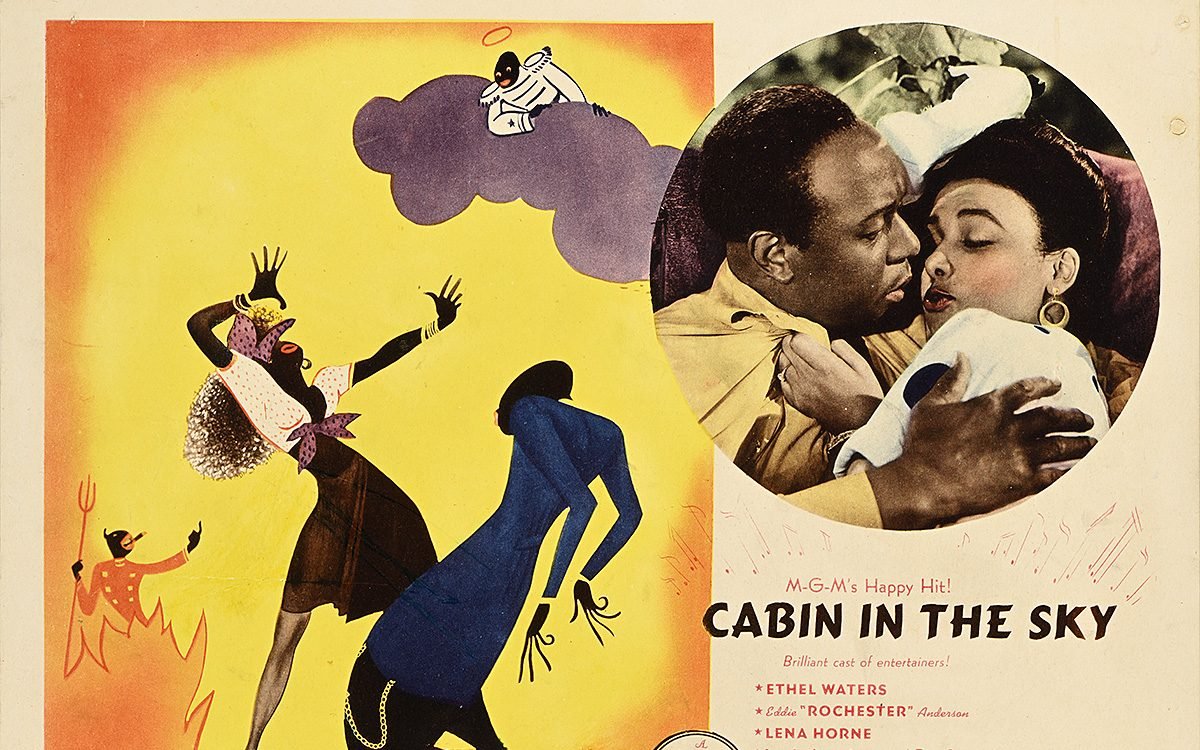
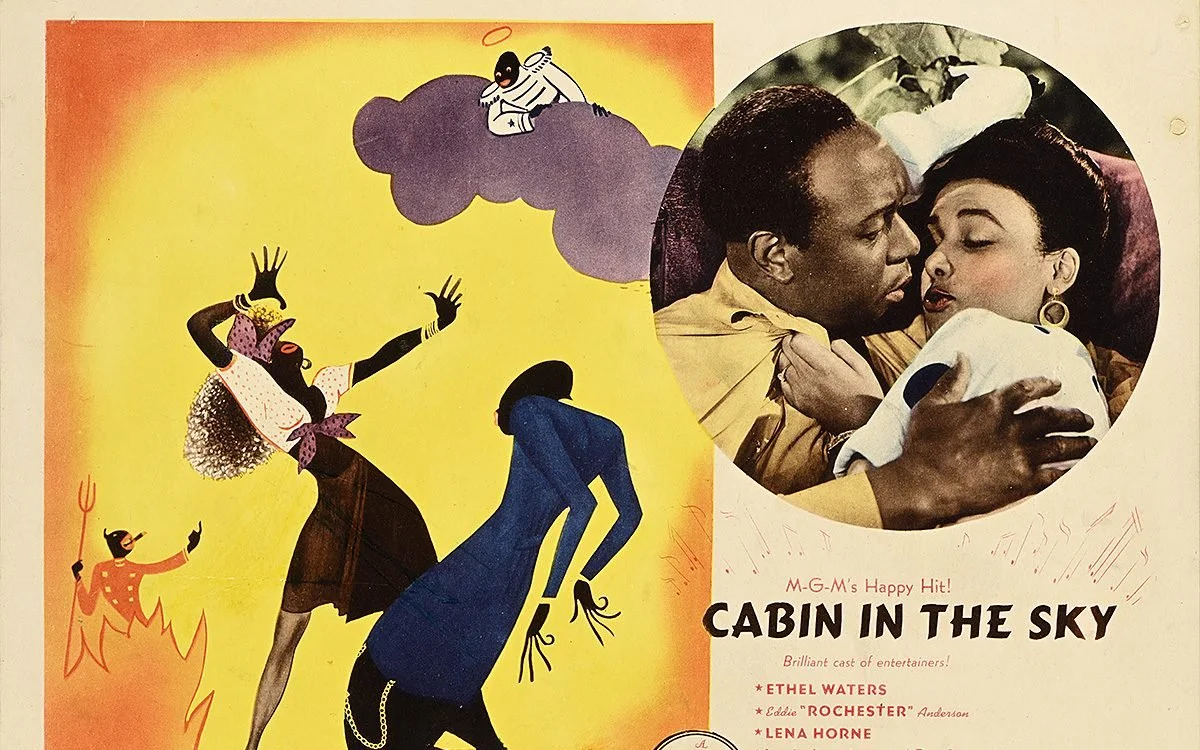
Act Black: Posters from Black American Stage & Screen with Es-pranza Humphrey
LOCATION: POSTER HOUSE 119 W. 23rd Street New York, NY 10011
Starting in the 1880s, Black performers and those invested in telling stories centering Black people attempted to counter the dehumanizing and harmful stereotypes used to portray Black characters. Shows began touting “All Colored Revues” to indicate that a cast was made up of actual Black performers rather than white people in blackface and that these spectacles aimed to build stories around the perception of Black experiences. Although these performances were sometimes flawed and even overtly prejudiced, they represented a significant form of Black American cultural development and expression. Playwrights and composers also expanded the ways in which Black humanity was represented on stage, adding emotional depth and a range of perspectives.
Learn more here! Interested? Email rbpmw@efanyc.org, or RSVP here